

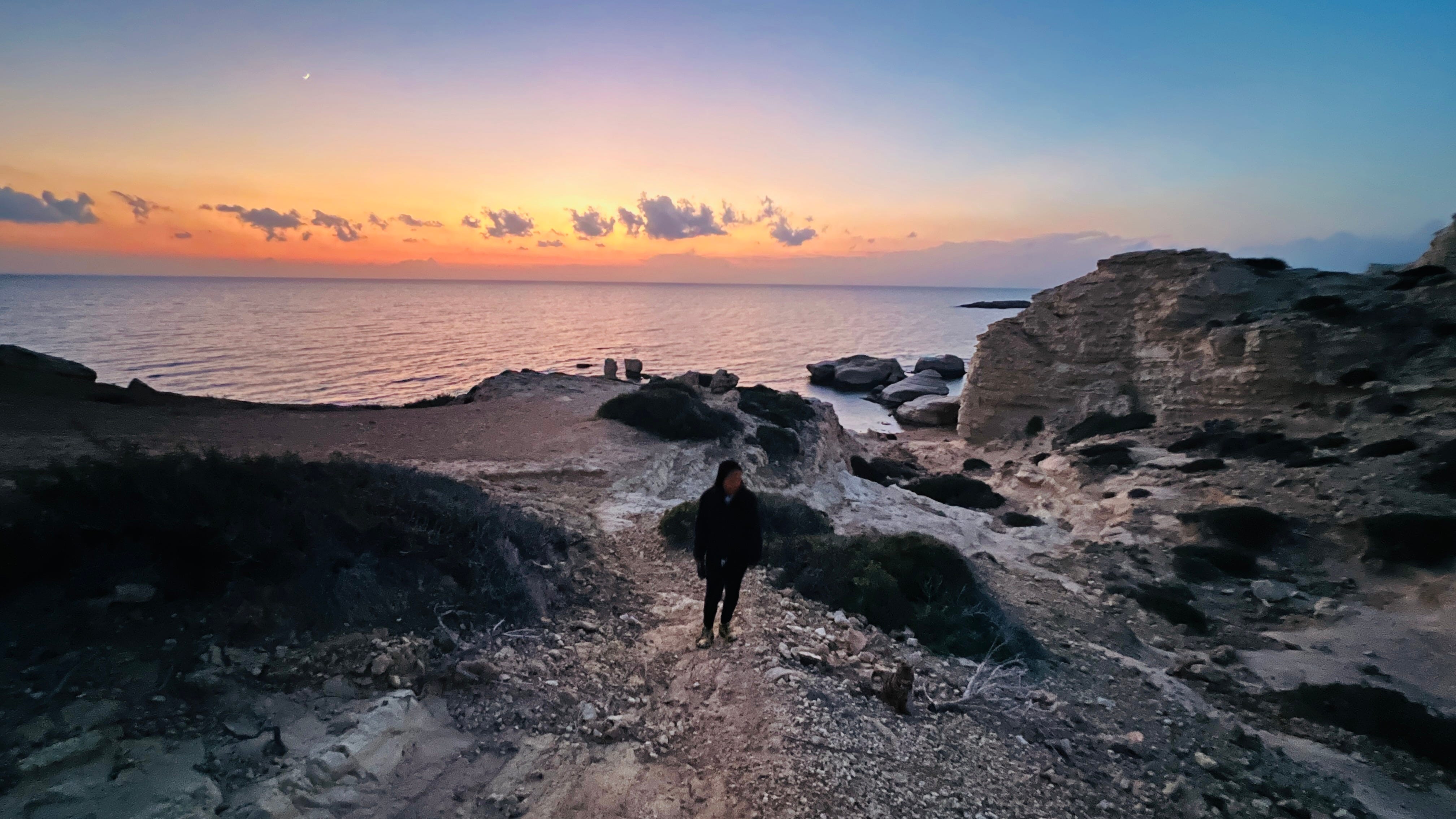
I lived in a spiritual community for years. I found my way there after my romantic relationship fell apart and the identity of a city-ambitioned girl came to an end.
The new circle, the new language, the new group of people under a new identity called spiritual community felt incredibly comforting. I don’t deny that it was one of the most magical periods of my life. Days and nights soaked in light and love. Friendships felt effortless. Conversations went deep fast. I made friends in almost every corner of the community, and I truly believed: this is it. I had found my place.
At the time, it felt like liberation.
Looking back, I can see it was also a kind of refuge.
Leaving the community was not a voluntary choice, but a matter of circumstance.
My body regained awareness first, long before my mind could understand what was happening. The body knew. It tightened, resisted, grew tired of holding a shape that was no longer true. My mind tried to keep up, searching for meaning, for justification, for something to replace what was dissolving.
At times, I felt completely lost — as if I were being swallowed by darkness.
Like withdrawing from a drug, I suffered. There was no ceremony for leaving. No blessing. No gentle transition. Just the absence of what once held me.
What surfaced wasn’t peace.
It was self-hatred.
An aversion toward the version of me inside the spiritual form — the one who built an ego around softness, who wrapped superiority in the language of love. The one who wore happiness, peace, and compassion like a costume, believing that if I embodied them well enough, I would never have to feel lost again.
That version of me judged the world harshly.
Measured others by how “awake” they were.
Felt irritated by anything I labeled unconscious.
Mistook sensitivity for truth and detachment for wisdom.
I saw how easily spirituality became a shield — a way to stand above life instead of inside it. And seeing that in myself was unbearable. I didn’t just lose a community. I lost a self-image I had invested everything in.
There was grief not only for what I had loved, but for how deeply I had believed. For how much of myself I had given away to an idea of goodness. For how I had confused belonging with purity, and clarity with certainty.
The detaching process was painful and lonely — letting go of an identity I once believed was me.
It wasn’t a clean break. There was no hand holding me through it, no containment to soften the fall. I walked it alone.
The echo of the old identity followed me everywhere.
You are lost.
Why leave love and light?
Why grow at all when you can stay held here with us?
I believed that voice more times than I want to admit.
I tried to find the same containment elsewhere — something familiar, something that looked like what I had left behind. I knocked on doors that resembled the old ones. I stepped into new rooms hoping they would hold me the same way.
But every door felt closed.
I don’t know how long this journey will last, or whether I will eventually form another identity to rest upon. But one thing is certain:
I am not lost.
I may be between forms.
Between identities.
Between places.
But I am exactly where I am meant to be.